
About Long Beach opossums: Appearance, biology, lifecycle, habitat, diet, behavior
An opossum is a marsupial that is native to The Americas. There are more than sixty species of the Long Beach opossum. The name is derived from the Powhatan language, meaning “dog-like beast.”
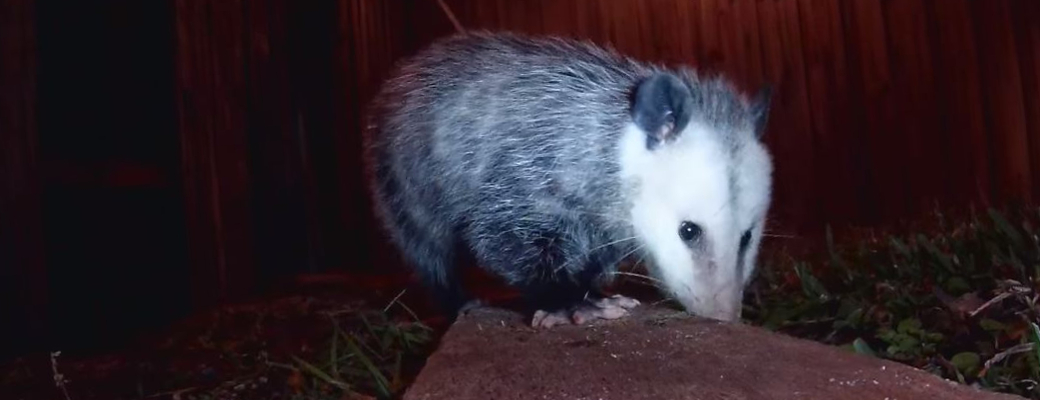
These days are more well-known as a pest that will enter your yard and rummage through your trash. They are often called Long Beach possums, even though the species are not the same. Possums are found in Australia and not in The Americas.
Appearance
They have a cone-shaped nose with a pink tip. They have hairless ears and four rows of whiskers. They are about the size of a cat and measure about 75cm tail to nose. The average weight of an opossum is about 5kg.
Biology
The California opossum(Didelphidae) is a mammal that reproduces several times a year. The mating season is from February to June. A female California opossum, called a Jill, gives birth to as many as 20 joeys. Unfortunately, only about a quarter survive.
Lifecycle
California opossums breed twice a year. The gestation is just 12 to 13 days, and the females give birth to as much as 20 live babies at a time. The joeys will stay in their mother’s pouch for about 200 days. They become sexually mature at 6 – 8 months old. An opossum lives for about 2 years.
Habitat
Opossums are found in the United States, Mexico, Central America, South America and Canada. They prefer to live in wooded areas close to a source of water. They are able to live anywhere close to a source of food and clean water. They do not build their own nests and will, therefore, be on the lookout for a cozy place to burrow. They often find this in hollowed out logs, abandoned burrows or even wall cavities.
Diet
They are omnivores, meaning they will eat meat as well as vegetation. Opossums are scavengers who will eat what is available. This often leads to them entering the homes of people in search of food. They will also eat whatever they can find in your garbage. In more rural areas they prefer eating insects and small animals. They also eat nuts, fruit and grass if it is available.
Behavior
They are not aggressive Long Beach animals and will not attack you. They prefer to run away when confronted. They will also “play possum” meaning to lay in one position without moving. It is a way of protecting themselves against predators.
Visit our Long Beach wildlife control home page to learn more about us.
© 2018 Long Beach Wildlife - Wild Animal Removal Services
